
Loading...
Serving Southaven, MS and surrounding areas. (662) 390-0020
Serving Southaven, MS and surrounding areas. (662) 390-0020
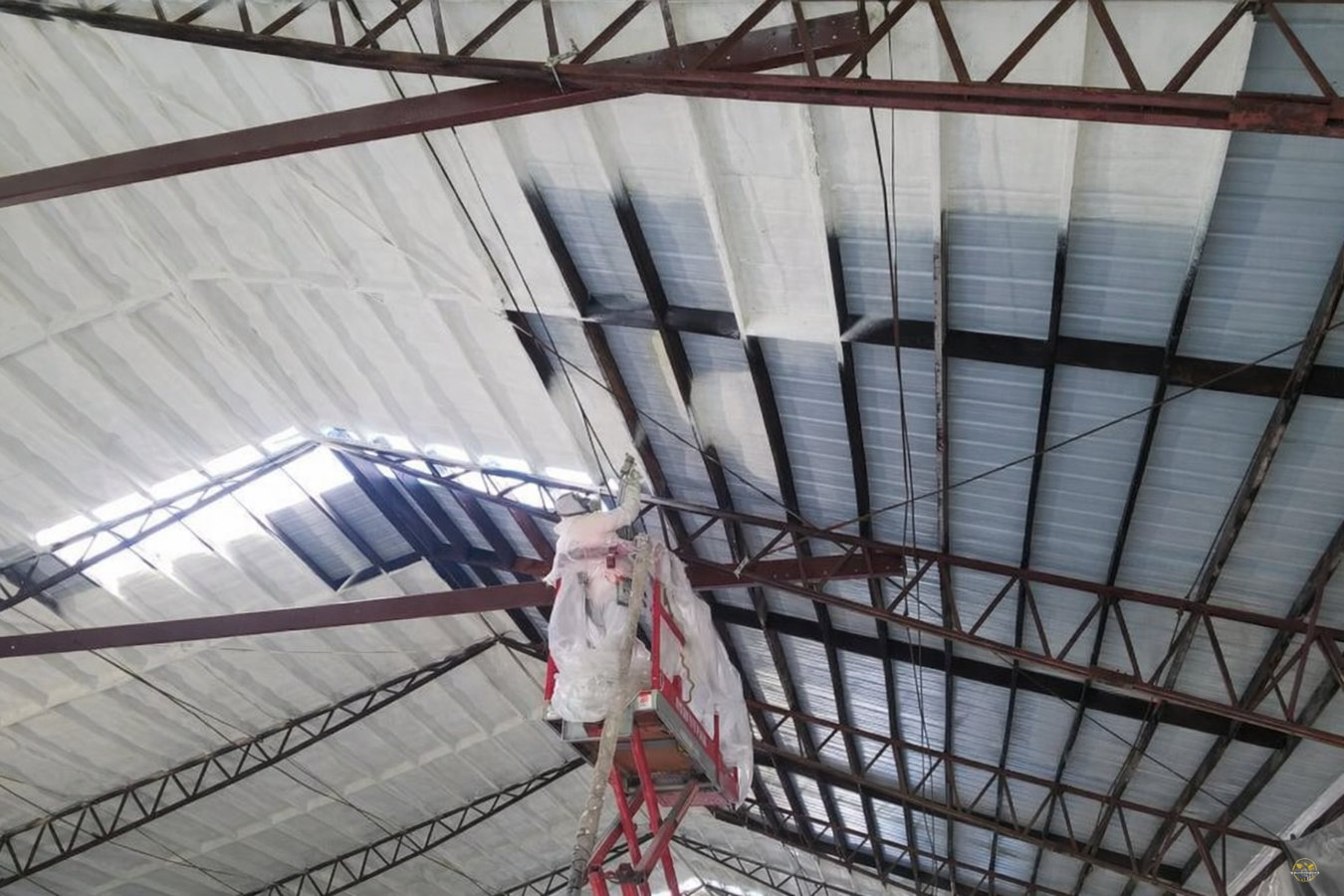
Southaven Insulation serves Memphis homes and commercial buildings with spray foam, attic insulation, and crawl space sealing. We know the city's mid-century housing stock and respond to every inquiry within one business day.
Memphis has a wide range of commercial and mixed-use buildings - from older warehouse and industrial stock near the riverfront to newer office parks along the Poplar Avenue corridor. Our commercial insulation service handles both large-scale projects and smaller owner-operated buildings across all Memphis neighborhoods.
Memphis summers are long, hot, and wet - conditions that require both insulation and moisture control. Spray foam addresses both at once, which is why it is the preferred option for crawl space perimeter walls and attic roof decks in the city's older homes where moisture intrusion is as much of a problem as heat loss.
A large share of Memphis homes were built in the 1950s and 1960s with attic insulation that has spent 60-plus years in Tennessee heat and humidity. Bringing attic insulation up to current depth is the fastest way to cut cooling bills in a city where air conditioning runs from April through October.
Memphis receives over 54 inches of rain annually, and the city's clay soil holds water against crawl space foundations year-round. Sealing and insulating the crawl space cuts off the moisture pathway that causes musty odors, cold floors, and progressive wood damage in the brick ranches and bungalows common across South Memphis, Whitehaven, and Frayser.
In Memphis neighborhoods with older crawl space foundations, a properly installed vapor barrier is the first line of defense against ground moisture. Paired with perimeter insulation, it eliminates the conditions that drive mold growth and floor damage in homes that see both heavy rainfall and summer humidity.
Midtown bungalows, East Memphis two-stories, and Whitehaven brick ranches all have attic framing that makes blown-in insulation the practical choice for adding coverage without a full tear-out. It fills irregular cavities completely and can be installed over existing material when the underlying insulation is still sound.
Memphis is Tennessee's largest city, and its housing stock spans more than a century of construction - from early 1900s Craftsman bungalows in Midtown to mid-century brick ranches in Whitehaven and Frayser, to larger homes in East Memphis built from the 1950s through the 1980s. What those homes share is a climate that is consistently hard on insulation: summers that run long and hot with July highs around 92 degrees, heavy annual rainfall of over 54 inches, and winters that bring enough freeze-thaw cycling to crack masonry and push moisture into wall cavities. A home built in 1955 in Midtown has sat through seven decades of that climate, and its original insulation - whatever is left - is not performing anywhere close to what it was designed to do.
The clay soil underneath Memphis compounds the challenge. Clay expands when wet and contracts when dry, a seasonal movement that works moisture into crawl space foundations, shifts concrete slabs, and cracks driveways. Homes in South Memphis, Frayser, and Whitehaven with vented crawl spaces are particularly vulnerable to this moisture cycle because the ground never truly dries out between rain events. About 45 percent of Memphis housing units are renter-occupied, which means a significant portion of the city's homes have not had consistent maintenance investment - and insulation is often the first system that gets skipped during landlord cost-cutting. For homeowners in Memphis who want to protect their investment, bringing insulation up to current standards is one of the most direct ways to reduce long-term maintenance costs and keep cooling bills manageable.
We work across Memphis neighborhoods and the surrounding Mid-South region, and the homes we see in Memphis are genuinely different from what we encounter in the suburbs. Midtown bungalows have lower attic headroom, plaster walls, and older foundation types that require careful staging. East Memphis homes near the Poplar Avenue corridor tend to be larger and better maintained but often have original insulation that has never been upgraded. Brick ranches in Whitehaven - the Graceland neighborhood - and Frayser share a construction pattern common to the postwar boom years: solid brick exterior, vented crawl space, and an attic that was insulated to the minimum code at the time of construction. For permitting and code questions that apply to Memphis properties, the Memphis and Shelby County Office of Construction Code Enforcement is the relevant authority.
Memphis is a city built on its character - Beale Street, Graceland, and the Mississippi River bluffs give it a local identity that residents carry with them. We serve homeowners in every part of the city, from the older historic blocks of Midtown to the quieter residential streets off Quince Road in East Memphis. We also cover Bartlett to the northeast and Germantown to the east, areas that share the same Shelby County climate conditions with their own distinct housing patterns.
We respond to every inquiry within one business day. We will ask about your home's age, what you have been experiencing - high bills, cold rooms, moisture smells - and schedule a visit at a time that works for you.
We inspect your attic, crawl space, and any wall areas of concern. We check existing insulation depth and condition, look for air leaks, and assess moisture levels. The assessment is free, and we leave you a written estimate covering all recommended work before you commit to anything.
Most attic jobs in Memphis are finished in a single day. Crawl space projects run one to two days. Spray foam applications require 24 hours before re-entry. You do not need to be home during the work, but we walk through the plan with you beforehand.
After installation we walk the job with you, show you what was done, and provide written documentation of the materials and installed R-values. Keep this record - it is useful for utility rebate programs, insurance purposes, and when you eventually sell the home.
Memphis homeowners get a free on-site assessment and a written estimate before any work starts. We respond within one business day.
(662) 390-0020Memphis is Tennessee's largest city and one of the defining cities of the American South, with a population of roughly 650,000 and a downtown defined by the Mississippi River bluffs and the world-famous Beale Street music district. The city's neighborhoods span a wide range of housing types and eras. Midtown is known for its dense stock of early 1900s Craftsman bungalows and Tudor Revival cottages in neighborhoods like Cooper-Young and Evergreen. East Memphis, near Poplar Avenue and the Quince Road corridor, has larger single-family homes on bigger lots, many built from the 1950s through the 1980s. Whitehaven in the south - home to Graceland, the most visited private residence in the United States - has extensive blocks of postwar brick ranches that share a common construction profile. South Memphis and Frayser have more modest, older homes, many of them also brick, where deferred maintenance is more common. For background on Memphis neighborhoods, the Wikipedia article on Memphis, Tennessee provides a useful starting overview.
Home values and household incomes vary significantly across the city, but what the neighborhoods share is a climate that demands good insulation: hot and humid summers, 54-plus inches of annual rainfall, and winters with enough freeze-thaw cycling to damage masonry and expose air gaps. FedEx's global headquarters and St. Jude Children's Research Hospital anchor major employment here, and the logistics industry that runs through Memphis International Airport supports a large working population that is invested in the city for the long term. We serve all of Memphis and connect easily to neighboring Bartlett to the northeast, where the housing is newer but many of the insulation challenges are the same.
Keep conditioned air in and extreme temperatures out with proper attic insulation.
Learn moreLoose-fill insulation that fills every gap and corner for complete coverage.
Learn moreImprove comfort and energy efficiency by insulating interior and exterior walls.
Learn moreInsulate basement walls and rim joists to reduce heat loss and moisture.
Learn moreDense, moisture-resistant foam offering the highest R-value per inch.
Learn moreAffordable, flexible foam ideal for interior walls and sound dampening.
Learn moreSeal attic bypasses to prevent conditioned air from escaping into the attic.
Learn moreHeavy-duty barriers that block ground moisture from entering your home.
Learn moreProfessional installation of vapor barriers in walls, floors, and crawl spaces.
Learn moreInsulation solutions for offices, warehouses, and commercial buildings.
Learn moreCall us or submit a request and we will respond within one business day - free estimate, no obligation, and a crew that actually knows the city.